
Primary Open-Angle Glaucoma
A common type of inherited glaucoma that develops gradually and may cause undetected vision loss over time.
Glaucoma Detection and Management
Glaucoma is a group of eye conditions that can damage the optic nerve and lead to irreversible vision loss. It often associated with increased eye pressure and is commonly inherited. It can develop slowly without noticeable symptoms, so regular eye examinations as well as early detection are important. At Provision Eye Care, highly trained glaucoma specialists provide screening, diagnosis, monitoring, and treatment based on each patient's condition.
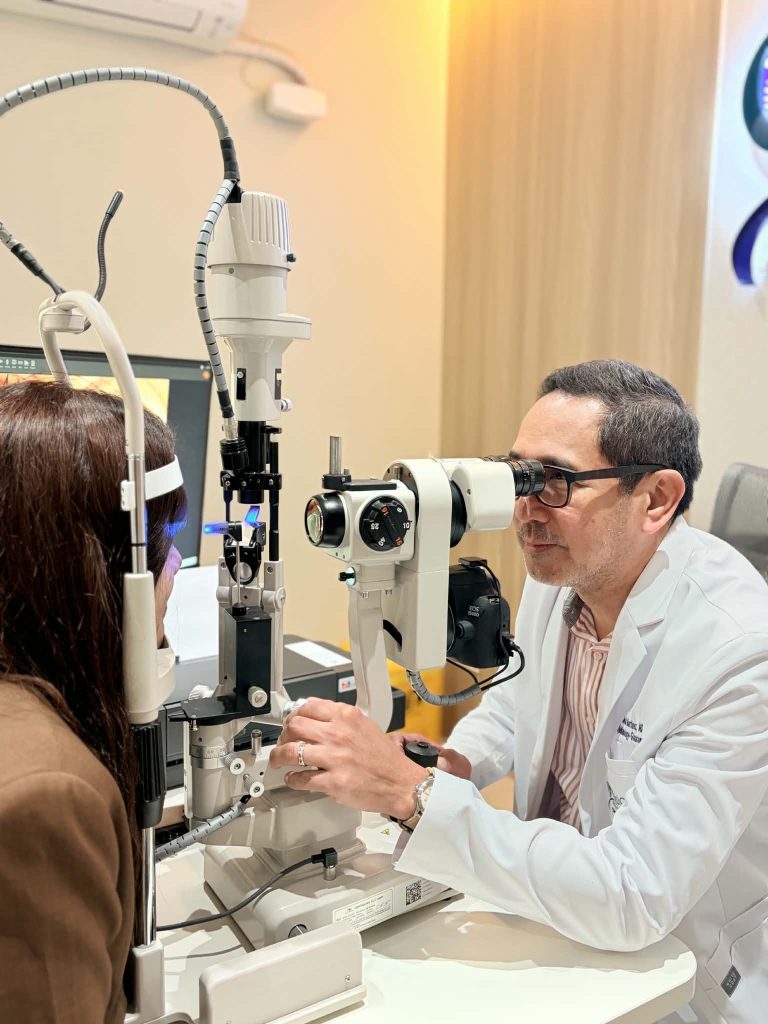
Diplomates of the Philippine Board of Ophthalmology.
Eye pressure, OCT and visual field testing to detect early changes.
From eye drops and laser treatment to minimally invasive glaucoma surgery.
Glaucoma comes in several forms, some slow and silent, others sudden and urgent. These are the conditions our glaucoma specialists diagnose and treat most often.
A common type of inherited glaucoma that develops gradually and may cause undetected vision loss over time.
Occurs when the drainage angle of the eye becomes blocked and may require urgent treatment. This type of Glaucoma is common to the Asian population.
Higher-than-normal eye pressure without definite signs of glaucoma. May require regular monitoring over time.
Glaucoma caused by another eye condition, medication, injury, or medical condition. Most common causes: Diabetes, Steroid use and eye trauma.
Glaucoma that develops at a younger age. It carries a higher risk of blindness because of longer life expectancy.
Any of these is a reason to have the front of your eye examined. Some need attention the same day.
Duration: Usually 30–60 minutes, depending on the tests needed.
Measures eye pressure.
Checks for loss of peripheral or side vision.
Provides detailed images of the optic nerve and retinal structures.
Examines the drainage angle of the eye.
Measures eye pressure as part of a fuller assessment.
Special preparation: Usually none, although dilation may temporarily affect vision.
Book your assessmentHelps lower or control eye pressure.
In-Clinic / PrescriptionMay improve fluid drainage to lower eye pressure.
In-Clinic / Laser Procedure RoomMay be indicated for glaucoma resistant to other forms of treatment. Minimally invasive surgeries may also be employed early to avoid major surgeries
Hospital-BasedRegular monitoring and follow-up are important to assess eye pressure and vision over time.
Treatment recommendations depend on the glaucoma severity, patient's condition, examination findings, and response to treatment.
Provision Eye Care lists glaucoma surgery and laser treatment among its surgical services. ProVision specialists prefer to employ new Minimally Invasive techniques to optimize safety and promote early recovery.
Why Early Diagnosis or Treatment Matters
Glaucoma can progress without noticeable symptoms and may cause permanent vision loss if left untreated. Early detection and regular monitoring allow the specialist to manage eye pressure and monitor changes in vision and the optic nerve with the goal of vision preservation.
Schedule your consultation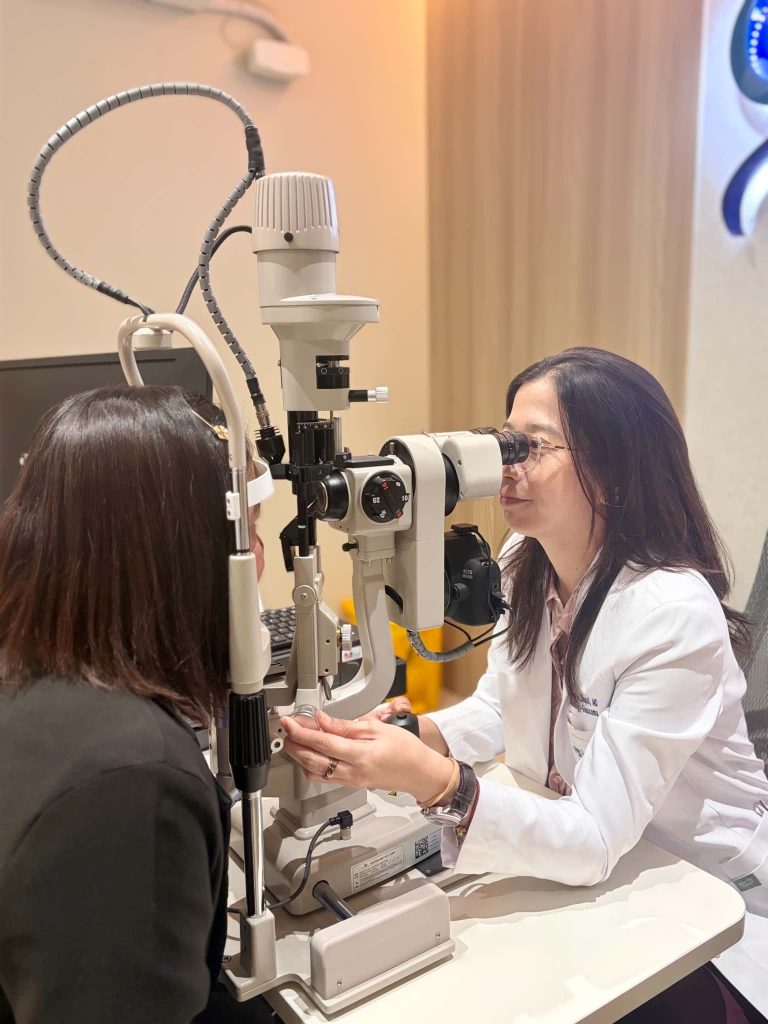
Ophthalmologists managing dry eye, infection and corneal conditions daily.
Diagnostic testing before any prescription, not a guess from the symptom alone.
Provision Eye Care has a dedicated team of Glaucoma Specialists providing screening, diagnosis, monitoring, and treatment.


Book a general consultation and we will match you with the right specialist for your needs.
Can't find what you're looking for? Our team is happy to help. Just reach out.
Ask us a questionGlaucoma is a group of eye conditions that can damage the optic nerve and cause permanent vision loss.
Yes. Some types of glaucoma may progress without noticeable symptoms.
Risk increases with age, family history, elevated eye pressure, and certain medical or eye conditions like Diabetes, Steroid use and Trauma.
Yes. Measuring eye pressure is the most important part of glaucoma evaluation. All forms of treatment in Glaucoma aim to reduce eye pressure.
Dilation may be needed to examine the optic nerve and other structures of the eye.
Treatment may include eye drops, medications, laser procedures, or surgery, depending on the condition and severity.
Follow-up depends on the type and severity of glaucoma and your specialist’s recommendations. Severe glaucoma, requires more frequent follow-up.
There is currently no cure for glaucoma, but treatment and regular monitoring can help control the condition and protect remaining vision.














Coverage varies by plan and by procedure. We will help you check your benefits before scheduling.
Verify your coverage with usBook an appointment
Schedule a screening eye examination if you have a blood relative with glaucoma.
G/F Silver City, Tiendesitas Complex,
Ortigas East, Brgy. Ugong, Pasig City 1604
Monday to Saturday, 10:00 AM to 7:00 PM