Diabetic Eye Disease Screening and Retina Clinic

Diabetes affects your eyes - early detection can protect your vision

Diabetic Eye Disease Screening helps detect changes in the eye, specifically the retina, even before vision loss occurs in patients with diabetes. It can also monitor existing diabetic retinopathy and other related retina complications.

At Provision Eye Care, patients have access to a comprehensive evaluation, advanced diagnostic machines, and timely treatment by expert vitreo-retina specialists.
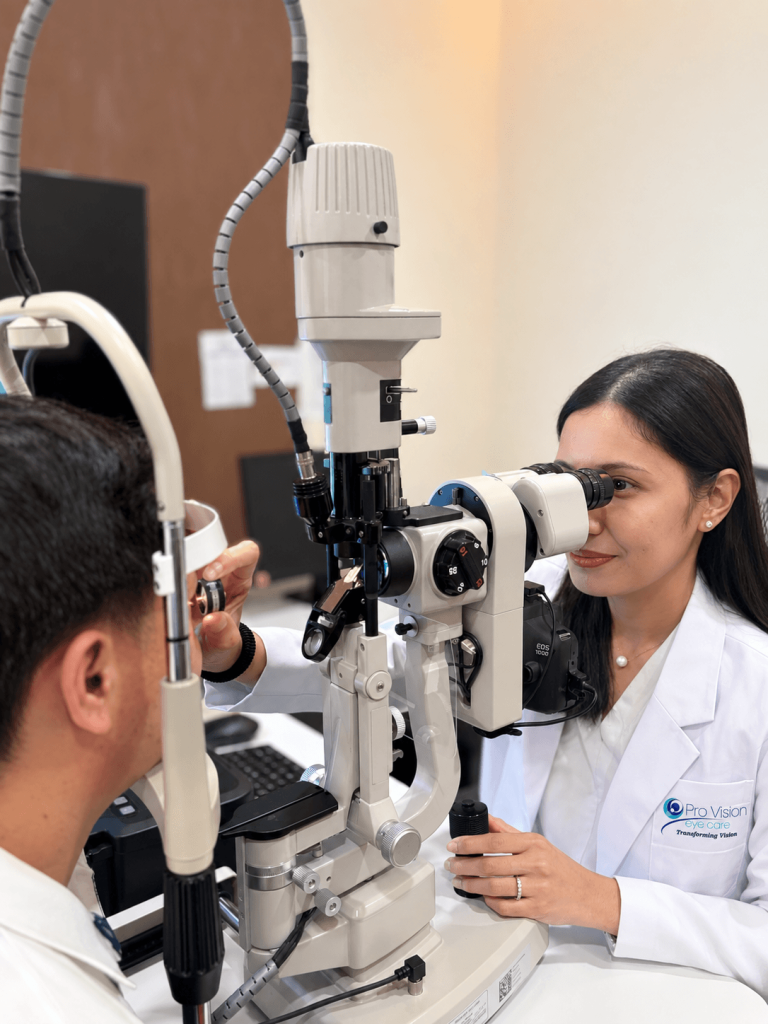
Board-certified ophthalmologists and vitreo-retina specialists, serving patients across Metro Manila
8Retina specialists
Same dayOCT & retinal imaging
  • Vitreo-retina specialists

    Diplomates of the Philippine Board of Ophthalmology, fellowship-trained in retina.

  • Retinal imaging on site

    OCT, fundus photography and fluorescein angiography in one visit.

  • Medical and surgical care

    Monitoring, injections, laser and retinal surgery when indicated.

Conditions we diagnose and treat

Retinal disease often starts quietly. These are the conditions we look for at every screening, whether or not you have symptoms.

Diabetes-related

Diabetic Retinopathy

Damage to the small blood vessels of the retina caused by diabetes. It may develop gradually and may not cause noticeable symptoms in its early stages.

Diabetes-related

Age-Related Macular Degeneration

A condition affecting the macula that can cause changes in central vision, particularly in older adults.

Age-related

Diabetic Macular Edema

Swelling in the macula, the central part of the retina responsible for detailed vision, which may affect reading and central vision.

Time-sensitive

Retinal Tears

A break or tear in the retina that can increase the risk of retinal detachment and requires prompt assessment.

Time-sensitive

Retinal Detachment

A serious condition in which the retina separates from the tissues supporting it and may cause sudden changes in vision.

Vascular

Retinal Vascular Diseases

Conditions affecting the blood vessels of the retina, which may result in bleeding, swelling, or reduced vision.

Vitreous

Vitreous Disorders

Conditions affecting the vitreous, the gel-like substance that fills the inside of the eye, including some causes of floaters and flashes.

    We also manage:
  • Hypertensive retinopathy
  • Vascular occlusion
  • Macular conditions
  • Retinal conditions in children
Discuss your symptoms with a specialist

Symptoms and warning signs

Any of these is a reason to have your retina examined. Some need attention the same day.

  • Blurry vision or loss of vision
  • Floaters and flashes
  • Dark spots or shadows
  • Eye redness
  • Eye pain
  • Sensitivity to light
  • Difficulty seeing at night

Who should consider this service

  1. 1Patients with diabetes even without symptoms or visual problems
  2. 2Patients experiencing blurry vision, floaters, flashes, dark spots, eye redness, pain and other symptoms
  3. 3Adults and Seniors for regular retinal monitoring
  4. 4Patients referred for retinal evaluation
Check if this service fits you

Diagnostic tests and examinations

Screening is usually completed in one visit. Typical duration is 30 to 60 minutes, depending on the tests needed.

Routine

Comprehensive Eye Examination

Evaluates vision and overall eye health. Routinely performed.

Requires dilation

Dilated Fundus Examination

Examines the retina and optic nerve for diabetic and other retinal changes. Requires pupil dilation.

Imaging

OCT (Optical Coherence Tomography)

Provides detailed images of the retina and detects swelling or structural changes.

Imaging

Fundus Photography

Takes detailed images of the retina for documentation and monitoring.

When indicated

Fluorescein angiography

  • Routinely performed: Comprehensive eye and retinal examinations.
  • Pupil dilation: Usually required for detailed retinal examination.
  • Special preparation: Fluorescein angiography may require dye injection and additional precautions.
  • Duration: Typically 30–60 minutes, depending on the tests needed.

Pupil dilation is usually required for a detailed retinal examination, so vision may blur temporarily. Bring previous results and a list of your medications. Tests and duration may vary depending on your condition and examination findings.

Book your assessment

Treatments and procedures

  • Monitoring & Follow-Up Care

    Regular retinal examinations and imaging to monitor changes and disease progression.

    In-clinic
  • Intravitreal Injections

    Medication delivered into the eye when indicated for certain retinal conditions, such as diabetic macular edema.

    In-Clinic / Procedure Room
  • Laser Treatment

    Laser therapy may be recommended for selected retinal conditions, including certain cases of diabetic retinopathy.

    In-Clinic / Procedure Room
  • Retinal Surgery

    Surgical treatment for conditions such as retinal tears, retinal detachment, or other complex retinal disorders when indicated.

    In-Clinic/ Hospital-Based
  • Lifestyle & Preventive Care

    Patients with diabetes are encouraged to maintain proper blood sugar and blood pressure control and attend regular eye examinations.

    Treatment recommendations depend on the patient's condition, medical history, and examination results. Not all patients will require treatment or surgery.

    In-clinic
Lifestyle & Preventive Recommendations:

Patients with diabetes are encouraged to maintain proper blood sugar and blood pressure control and attend regular eye examinations.

Treatment recommendations depend on the patient’s condition, medical history, and examination results. Not all patients will require treatment or surgery.

Ask which option suits your eyes

Your visit, step by step

  1. 1

    Before

    • An appointment is recommended.
    • Patients should bring previous eye examination results, medical records, and a list of current medications if available.
    • Contact lenses generally do not need to be avoided unless advised otherwise.
    • If pupil dilation is expected, patients may consider arranging transportation.
  2. 2

    During

    • The consultation may include vision testing, a comprehensive eye examination, pupil dilation, and retinal examination.
    • OCT or other retinal imaging may be recommended depending on the patient's condition.
    • The consultation may take approximately 30–60 minutes, depending on the tests needed.
  3. 3

    After

    • The specialist will discuss the examination findings and recommend appropriate follow-up or treatment if needed.
    • Dilating drops may temporarily cause blurred vision and light sensitivity.
    • Patients may be advised to return for monitoring, additional tests, treatment, or referral depending on their condition.
Start with an appointment

Why Early Diagnosis or Treatment Matters

Retinal damage can progress without symptoms

Diabetic eye disease and other retinal conditions may progress without noticeable symptoms and can lead to vision loss if left untreated. Early detection allows your eye specialist to monitor changes and recommend appropriate treatment when needed. Regular retinal examinations are especially important for people with diabetes, as early screening and ongoing monitoring can help detect complications before significant vision changes occur.

Schedule your screening
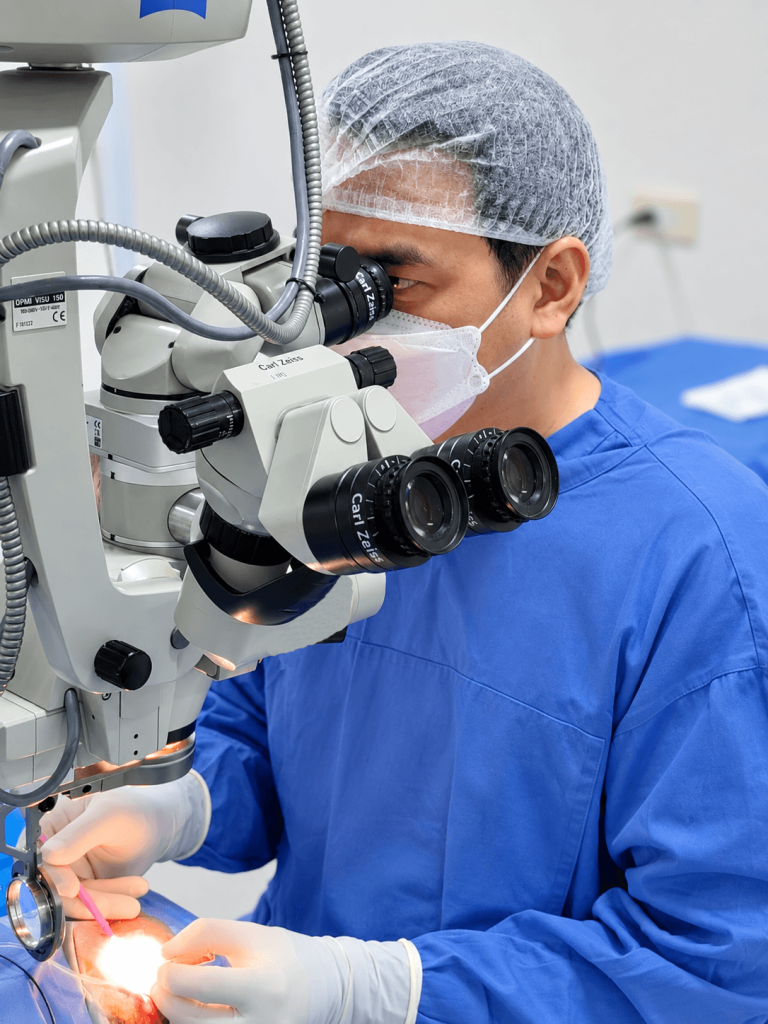
  • Screening detects retinal change before vision is affected
  • Regular monitoring helps prevent complications
  • Treatment options widen when problems are found early

Why choose ProVision for retina care

  • Experienced ophthalmologists and Vitreo-Retina specialists

    Ophthalmologists and vitreo-retina specialists managing diabetic and retinal disease daily.

  • Comprehensive retinal evaluation and monitoring

    Full assessment and ongoing monitoring rather than a single snapshot.

  • Personalized treatment and follow-up care

    From injections and laser through to vitreo-retinal surgery.

  • Medical and surgical options for retinal conditions

    We work with our other eye specialties when your case needs more than one opinion.

  • Coordinated care with other eye specialists when needed

    From injections and laser through to vitreo-retinal surgery.

Equipment in the center

  • OCT (Optical Coherence Tomography)
  • Fundus photography
  • Fluorescein angiography
  • Comprehensive retinal diagnostic facilities
Provision Eye Care has Ophthalmologists and Vitreo-Retina specialists experienced in the evaluation and management of diabetic eye disease, retinal and vitreous disorders, macular conditions, and other retinal diseases.
Meet the team behind your care

Our doctors

Retina consultations are handled by our vitreo-retina and medical retina specialists, all diplomates or certificants of the Philippine Board of Ophthalmology.

Vitreo-retina

Dr. Jesus Luis F. Eusebio III

MD, Board-Certified Ophthalmologist. Trained at DOH Eye Center, Bern University Hospital and Tan Tock Seng Hospital.

See schedule
Vitreo-retina

Dr. Paul G. Siopongco

MD, Diplomate, Philippine Board of Ophthalmology. Fellowship-trained in vitreo-retina. Member of VRSP, EURETINA, PMA and PAO.

See schedule
Vitreo-retina

Dra. Erika Jean A. Salvame-Siopongco

MD, Diplomate, Philippine Board of Ophthalmology. Fellowship-trained at DOH Eye Center, EAMC. Member of PAO, EURETINA, PAAO and PMA.

See schedule
Vitreo-retina

Dra. Ruth Camille P. Antolin

MD, Diplomate, Philippine Board of Ophthalmology. Fellowship-trained at Asian Eye Institute.

See schedule
Vitreo-retina

Dra. Anne Therese E. Guballa

MD, Certified, Philippine Board of Ophthalmology. Fellowship-trained at JRMMC. Member of the Quezon City Medical Society and PMA.

See schedule
Vitreo-retina

Dr. Adrian Joseph C. Tolentino

MD, Diplomate, Philippine Board of Ophthalmology. Trained at JRRMMC. Member of the Makati Medical Society, PMA and PAO.

See schedule
Medical retina

Dr. Jose Carlos Y. Gana

MD, Diplomate, Philippine Board of Ophthalmology. Fellowship-trained at Singapore National Eye Centre. Member of the UST Medical Alumni Society and PAO.

See schedule
Medical & surgical retina

Dra. Rochele Pilones-Alidon

MD, Diplomate, Philippine Board of Ophthalmology and the Philippine Association of Ophthalmologists. Fellowship-trained at DOH Eye Center, EAMC.

See schedule

Not sure who to see?

Book a general consultation and we will match you with the right specialist for your needs.

Book now

Questions patients ask

Can't find what you're looking for? Our team is happy to help. Just reach out.

Ask us a question


We accept major health cards

Maxicare
Intellicare
Medicard
PhilCare
iCare
Pacific Cross
Sunlife
Amaphil
Etiqa
HPPI
Cocolife
Valucare
Avega
Medasia

Coverage varies by plan and by procedure. We will help you check your benefits before scheduling.

Verify your coverage with us

Book an appointment

Protect your vision with regular diabetic eye screening.

Schedule a consultation with a Provision Eye Care retina specialist today.

Visit us

G/F Silver City, Tiendesitas Complex,
Ortigas East, Brgy. Ugong, Pasig City 1604

Clinic hours

Monday to Saturday, 10:00 AM to 7:00 PM

Request an appointment

Full Name (Required)

Note: In the field for doctors, if you are requesting for diagnostic procedures, you can choose N/A or leave it blank.

Contact Details (Required)

Important medical notes

  • Final diagnosis requires an in-person consultation and appropriate eye examination.
  • Treatment recommendations depend on the patient’s condition, medical history, and examination findings.
  • Diabetic eye disease may progress without noticeable symptoms, so regular eye examinations are important.
  • Sudden vision loss, severe eye pain, sudden flashes or increase in floaters, or a curtain-like shadow over the vision may require urgent medical attention.
  • Information on this page is for educational purposes and should not replace professional medical advice.